
ASL Education for Healthcare Professionals and First Responders
When a patient can't hear you, communication doesn't stop. It changes.
In Good Hands teaches medical teams the basic ASL they need to bridge that gap.
A Student-Led Nonprofit Tackling a Real Gap in Healthcare
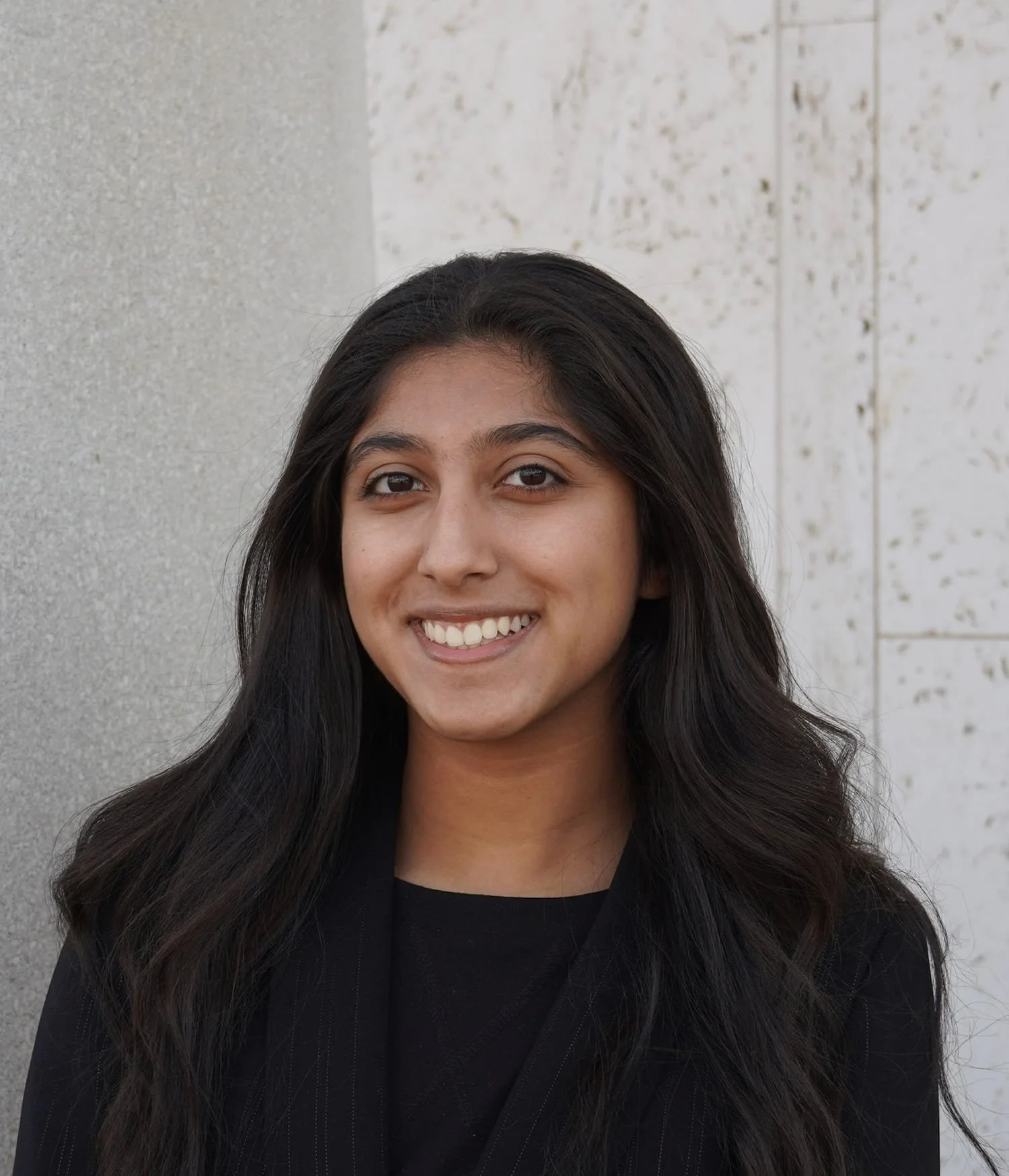
Priyana Manglani started In Good Hands as a high school junior at Kent Place School in Summit, New Jersey. She's been studying ASL for years and saw firsthand how often hearing-impaired patients face communication barriers in medical settings, and how simple it can be to fix that.
In Good Hands is a nonprofit. There are no costs, no memberships, no catch. Just a student who believes every patient deserves to be heard.

Three Ways In Good Hands Reaches Healthcare Teams
In-Person Seminars
We bring hands-on ASL training directly to healthcare facilities and community spaces. Sessions are practical, focused, and free.
Educational Videos
Each video covers specific ASL phrases for physician visits, emergencies, and everyday patient interaction. Watch on your own time.
Better Communication Changes Everything
About 15% of American adults report some degree of hearing loss. In a medical setting, that number matters. A physician who can sign even basic phrases, "where does it hurt?" or "can you hear me?" can change a patient's entire experience.
First Responders
When seconds count, communication has to work. Learning foundational emergency signs keeps everyone safer on both sides.
Deaf & Hard-of-Hearing
Access to care you can actually participate in, not just endure. Better communication means faster diagnoses and fewer misunderstandings.
Healthcare Professionals
Build a skill that makes every patient interaction more effective. ASL basics take hours to learn and can make a real difference in care quality.
Common Questions About In Good Hands
-
Many healthcare environments rely heavily on spoken communication, which can make it challenging for Deaf and hard-of-hearing patients to completely understand diagnoses, treatment plans, or medical instructions. Without accessible communication, patients may receive lower-quality care and experience isolation.
-
ASL is a distinct language with its own grammar and structure, so written English may not be equally accessible to every Deaf patient. Written notes can also limit detailed conversation and increase the risk of misunderstandings during critical medical discussions.
-
When physicians and patients cannot communicate clearly, notable symptoms, allergies, or concerns may be misinterpreted or overlooked. This can cause delayed diagnoses, improper treatment, medication-related errors, or lower patient trust in healthcare providers.
-
Many Deaf patients report avoiding or delaying medical visits because of previous negative experiences, fear of miscommunication, or lack of interpreter access. These barriers can ultimately discourage preventative care and contribute to long-term health disparities.
-
Even a basic knowledge of ASL can help healthcare workers communicate more effectively, build trust, and make patients feel recognized and respected. In emergencies, simple signs related to pain, breathing, safety, and allergies can significantly improve immediate and long-term patient care.
-
Healthcare providers can improve accessibility by providing qualified interpreters, learning basic medical ASL phrases, and using clear visual communication methods. These efforts help ensure Deaf and hard-of-hearing patients receive equitable healthcare.